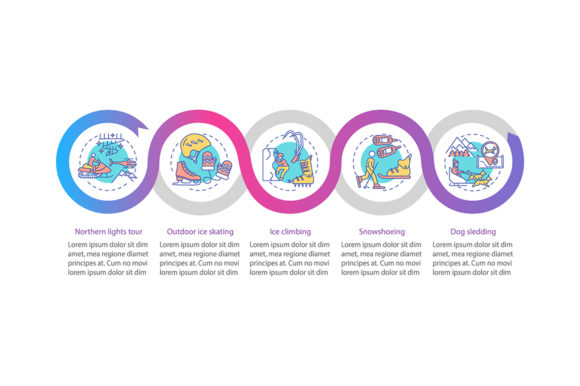
Exploring Winter Sport Activities Infographics: A Visual Guide to Snowshoeing, Dog Sledding, and More
Understanding Winter Sport Activities Infographics
Winter sport activities infographics are powerful tools that help communicate the excitement, logistics, and benefits of cold-weather sports in a visually engaging way. Whether you're promoting a winter adventure tour, teaching students about seasonal activities, or designing marketing materials for a resort, these infographics make complex information easy to digest.
At the core of this type of infographic is a blend of visual storytelling and data presentation. It often includes elements like snowshoeing, dog sledding, and other popular winter sports, illustrated with linear icons and arranged in a clear, step-by-step format. These visuals are not only aesthetically pleasing but also functional, helping viewers grasp the timeline, process, and equipment involved in each activity.
Key Components of a Winter Sport Activities Infographic
A well-designed winter sport activities infographic typically includes the following components:
- Visual icons representing each activity (e.g., snowshoes, sled dogs, skis)
- Process timelines showing how each activity unfolds from start to finish
- Data visualizations comparing difficulty levels, required gear, or recommended age groups
- Workflow layouts that explain how teams or individuals coordinate during events
- Downloadable templates (often in ZIP files containing EPS, JPG, PNG, SVG, and AI formats)
These elements combine to create an educational and visually appealing resource that can be used in classrooms, marketing campaigns, or informational brochures.
Why Design Matters
When presenting information about winter sports like snowshoeing or dog sledding, design plays a crucial role in capturing attention and enhancing comprehension. A clean, well-structured infographic can turn a complex process into a simple, step-by-step guide that even beginners can understand.
For example, a presentation design element might include a series of icons showing how to prepare for a snowshoe hike, from selecting the right footwear to navigating snowy trails. These visuals help break down the activity into manageable parts, making it more approachable for newcomers.
Using Linear Icons for Clarity
Linear icons are especially effective in infographics because they are minimalist, scalable, and universally recognizable. Whether illustrating a snowshoe, a sled, or a pair of skis, linear icons ensure that the design remains clean and focused without overwhelming the viewer with unnecessary detail.
These icons are often used in workflow layouts that show how different parts of a winter activity come together. For instance, a dog sledding infographic might use icons to represent the musher, the dogs, the sled, and the terrain, arranged in a logical sequence that explains the process from start to finish.
Data Visualization: Making Winter Sports Accessible
One of the most effective ways to explain winter sports is through data visualization. This technique allows you to present information in a visual format that's easy to understand at a glance. For example, you can use charts or graphs to compare the physical demands of different activities, or timelines to show how long each step of a snowshoeing trip might take.
5-Step Data Visualization Example
- Define the purpose: Explain why you're creating the infographic (e.g., to educate tourists about winter activities).
- Identify key data points: Gather information like average speed, required equipment, or safety tips.
- Choose the right format: Decide whether a timeline, bar chart, or workflow layout best suits your data.
- Design with clarity: Use consistent colors, fonts, and icon styles to maintain visual harmony.
- Test for readability: Ensure the infographic is easy to understand without additional explanation.
This 5-step approach ensures that your winter sports infographic is not only visually appealing but also informative and user-friendly.
Education and Awareness
Schools and outdoor education programs often use winter sport infographics to teach students about seasonal activities. These visuals help explain the science behind snowshoeing (like how weight distribution works) or the history of dog sledding in Arctic exploration.
Marketing and Promotion
For resorts, tour companies, and event planners, winter sport infographics are valuable marketing tools. They can be used in brochures, websites, and social media posts to showcase available activities and attract visitors. A visually compelling infographic about snowshoeing trails or dog sledding adventures can make a big difference in converting interest into bookings.
Event Planning and Coordination
Organizers of winter events—like races, festivals, or guided tours—can use infographics to outline schedules, safety procedures, and participant responsibilities. A process timeline chart, for example, might show how a dog sledding race is structured, from the start line to the finish, with key checkpoints in between.
Choosing the Right Infographic Template
Many winter sport infographic templates are available online, often in downloadable ZIP files that include multiple file formats such as EPS, JPG, PNG, SVG, and AI. These formats allow for flexibility in editing and use across different platforms.
- EPS – Ideal for high-quality print materials
- JPG and PNG – Best for web use and quick sharing
- SVG – Perfect for responsive web graphics that scale without losing quality
- AI – Suitable for advanced users who want to edit vector graphics in Adobe Illustrator
When selecting a template, consider your intended use and the level of customization you'll need. Some templates are designed for simplicity and ease of use, while others offer more advanced features for professional designers.
Common Misconceptions About Winter Sports
Despite their popularity, many people still have misconceptions about winter sports. Infographics can help correct these misunderstandings by presenting accurate, visually supported information.
- Misconception: Snowshoeing is only for advanced athletes.
Reality: Snowshoeing is accessible to people of all fitness levels and is a great low-impact workout. - Misconception: Dog sledding is outdated and impractical.
Reality: Dog sledding remains a popular recreational and competitive sport, especially in regions with heavy snowfall. - Misconception: Winter sports are dangerous for beginners.
Reality: With proper gear and guidance, most winter activities are safe and enjoyable for newcomers.
By addressing these myths, infographics not only inform but also encourage more people to participate in winter sports.
Conclusion: The Power of Visual Learning in Winter Activities
Whether you're a teacher, a marketer, or an outdoor enthusiast, winter sport activities infographics offer a compelling way to share knowledge and inspire action. From snowshoeing to dog sledding, these visuals help simplify complex processes, enhance understanding, and promote engagement.
By leveraging process timeline charts, workflow layouts, and linear icons, you can create informative and visually appealing content that resonates with a wide audience. And with downloadable templates in various formats, it's easier than ever to bring your winter sport infographic to life.
So the next time you're planning a winter adventure or creating educational materials, consider using an infographic to make your message stand out. After all, a picture is worth a thousand words—especially when it comes to the beauty and excitement of winter sports.