Infographic Teaching Material: Boost Learning Visually
Visual learning has become a cornerstone of modern education and communication. Infographic teaching material offers a powerful way to simplify complex topics, engage audiences, and improve knowledge retention. Whether you're an educator, marketer, or content creator, using infographics can transform how information is delivered and understood.
What Makes Infographic Teaching Material Effective?
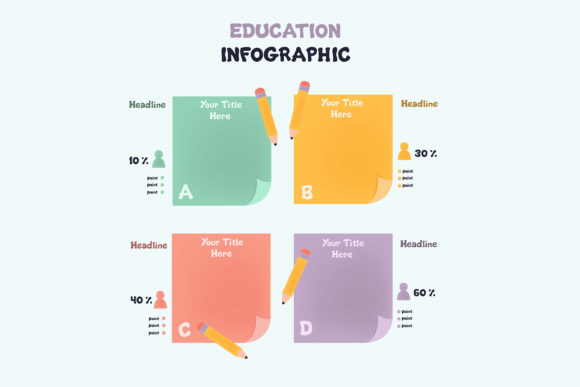
Infographic teaching material combines visual elements with concise text to explain ideas clearly and memorably. Unlike traditional text-heavy formats, infographics use layout, color, icons, and typography to guide the viewer through information in a way that feels intuitive and engaging.
This approach is especially useful for breaking down data, timelines, processes, or comparisons. When designed well, infographics reduce cognitive load, allowing learners to grasp concepts quickly and retain them longer.
Creative Possibilities with Infographic Templates
One of the biggest advantages of infographic teaching material is its adaptability. With templates available in formats like AI, EPS, PNG, SVG, and JPG, you can easily customize visuals for different platforms and audiences.
- Timeline infographics can illustrate historical events, project milestones, or product development phases.
- Data comparison infographics are ideal for showing differences in statistics, pricing plans, or feature sets.
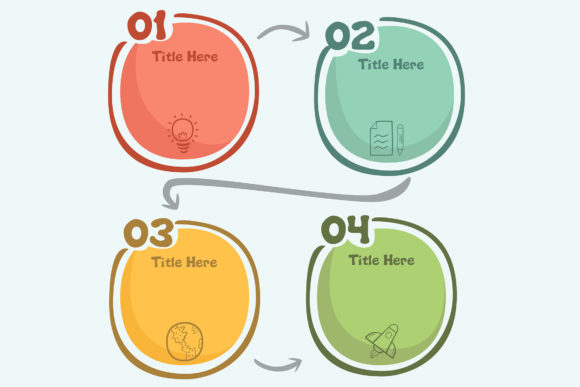
- Process infographics help explain workflows, scientific methods, or instructional steps in a visual flow.
- Icon-based infographics use symbols to represent ideas, making them great for visual learners and international audiences.
Who Can Benefit from Infographic Teaching Material?
Infographics are not limited to one industry or audience. Here's how different professionals can use them effectively:
- Educators can turn complex subjects into digestible visuals for classroom use or online courses.
- Marketers can simplify product benefits or market trends for presentations and social media posts.
- Bloggers can enhance articles with data-driven visuals that increase readability and shareability.
- Entrepreneurs can use infographics to pitch ideas, explain business models, or summarize reports.
- Designers and Freelancers can offer infographic creation as a service or use templates to speed up client work.
Adapting Infographics for Different Goals and Formats
Infographic teaching material can be tailored to suit various formats and platforms. Here are some practical applications:
- Use vertical infographics for social media stories or mobile-friendly blog content.
- Create horizontal layouts for presentations, posters, or website banners.
- Design printable infographics in PNG or JPG for handouts, workbooks, or posters.
- Build interactive infographics with SVG or HTML for web-based learning modules.
When repurposing infographics, keep the audience and context in mind. A detailed data visualization might work well in a white paper, while a simplified version could be better suited for a quick social media post.
How to Keep Infographics Clear and Impactful
Even the most creative infographic can fall flat if it's cluttered or confusing. Here are some practical tips to maintain clarity and effectiveness:
- Start with a clear message – Know what you want the viewer to take away before designing.
- Use a consistent visual style – Stick to one color scheme, font set, and icon style for a polished look.
- Limit text – Keep explanations short and use visuals to carry the weight of the message.
- Organize information logically – Guide the viewer from top to bottom or left to right in a natural flow.
- Test for readability – Show the infographic to someone unfamiliar with the topic and ask what they understand.
Inspiration for Your Next Infographic Project
If you're looking for fresh ideas, here are some practical projects you can try using infographic teaching material:
- Health and wellness guides – Visualize nutrition facts, workout routines, or mental health tips.
- Financial literacy tools – Break down budgeting strategies, investment options, or tax tips.
- Environmental impact reports – Show carbon footprints, recycling facts, or sustainability goals.
- Language learning aids – Use visual comparisons to teach vocabulary, grammar, or pronunciation.
- Technical explainers – Make coding concepts, engineering processes, or digital marketing strategies easier to grasp.
Choosing the Right File Format
Infographic teaching material often comes in multiple file types, each with its own strengths:
- AI (Adobe Illustrator) – Best for editing vector graphics and making design adjustments.
- EPS (Encapsulated PostScript) – Great for high-quality printing and scalable graphics.
- PNG (Portable Network Graphics) – Ideal for digital use with transparent backgrounds.
- SVG (Scalable Vector Graphics) – Perfect for web use and responsive designs.
- JPG (Joint Photographic Experts Group) – Common for general-purpose images and easy sharing.
Always consider where your infographic will be used before selecting a file type. For example, SVG is great for websites, while EPS works best for printed posters or banners.
Final Thoughts: Make Learning Visual and Memorable
Infographic teaching material isn't just a design trend—it's a practical tool for enhancing learning and communication. By combining visuals with clear, concise information, you can make complex ideas more accessible and engaging for any audience.
Whether you're a teacher, marketer, or content creator, experimenting with infographics can open up new ways to present information. With the right templates and a thoughtful approach, you can create visuals that inform, inspire, and resonate with your audience.