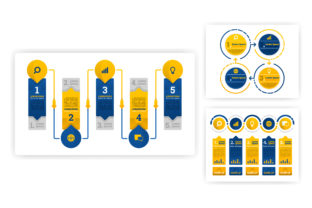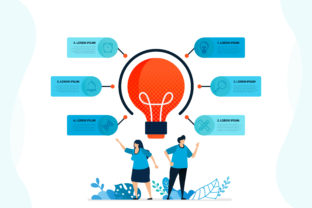
Understanding Human Illustration and Ideas Infographic Design for Business and Education
In today’s visually driven world, human illustration and ideas infographic design have become essential tools for communication, especially in business and education. These visual elements help simplify complex information, engage audiences, and enhance the overall user experience across websites, mobile apps, banners, and printed materials. Whether you're a marketer, educator, or business owner, understanding how to effectively use human illustrations and infographics can significantly boost your message’s clarity and impact.
What Are Human Illustrations and Infographic Designs?
Human illustrations are stylized visual representations of people used to convey emotions, actions, or concepts. When combined with ideas infographic design, they transform data and narratives into digestible, engaging visuals. Infographics, in particular, are designed to present information quickly and clearly, often using charts, icons, and short text blocks.
These designs are commonly created in flat vector formats, which allow for scalability without loss of quality. They are ideal for use in landing pages, websites, mobile applications, and marketing materials like flyers, posters, and brochures. Vector files such as EPS and JPEG ensure compatibility across platforms and devices.
The Role of Human Illustration in Modern Design
Human illustrations add a personal touch to digital and print media. They help create an emotional connection with the audience by representing real-life scenarios, emotions, or interactions. In business and education, this can translate to more relatable content and better user engagement.
- Enhancing storytelling: Human illustrations can depict processes, interactions, or abstract ideas in a way that words alone cannot.
- Improving user experience: Visuals break up text-heavy content and guide the viewer’s eye through the page.
- Supporting brand identity: Custom illustrations can reflect a brand’s tone, culture, and values.
Whether it’s a team collaborating in a business infographic or a student learning in an educational poster, human illustrations bring context and warmth to the design.
Why Infographic Design Matters for Businesses and Educators
Infographics are not just visually appealing—they’re also powerful tools for communication. They distill large amounts of data into easy-to-understand visuals, making them perfect for presentations, reports, and marketing campaigns.
- Clarity: Infographics eliminate clutter and highlight key points effectively.
- Engagement: People are more likely to read and share content that’s visually appealing.
- Retention: Visual content is more memorable than text alone, improving knowledge retention.
For businesses, infographics can be used in reports, product comparisons, and marketing materials. In education, they support lesson plans, explain complex subjects, and aid in student comprehension.
Steps to Learning and Implementing Infographic Design
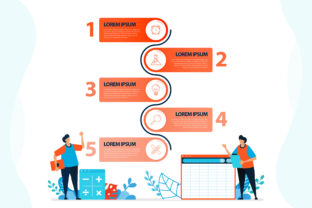
Creating effective human illustration and infographic designs requires both creativity and technical skill. Here’s a step-by-step guide to help you get started:
1. Define Your Purpose and Audience
Before designing, understand what message you want to convey and who will be viewing it. This will influence your tone, style, and content structure.
2. Gather and Organize Information
Collect the key data or concepts you want to present. Organize them logically to ensure your infographic flows naturally from one idea to the next.
3. Choose the Right Visual Elements
Select appropriate icons, charts, and illustrations. Human illustrations should reflect the context of your message—whether it’s professional, educational, or casual.
4. Sketch a Layout
Plan how your elements will be arranged on the page. Consider visual hierarchy, balance, and readability.
5. Use Design Tools
Popular tools like Adobe Illustrator, Canva, and Figma offer templates and tools for creating vector-based designs. These platforms support exporting in various formats, including EPS and JPEG.
6. Review and Refine
Test your design for clarity and effectiveness. Make sure the visuals support the message and that the information is easy to digest.
Human Illustration and Infographics in Education Processes
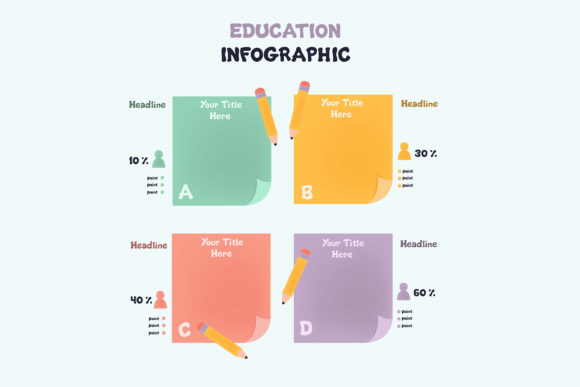
In the education sector, combining human illustration with infographic design can revolutionize how students learn and interact with information. These visuals can simplify complex topics, encourage engagement, and cater to different learning styles.
For example, a science infographic might use human illustrations to show the process of photosynthesis through a character interacting with plants and sunlight. Similarly, a history lesson can be brought to life with illustrated characters representing different time periods.
Teachers and instructional designers can benefit from using these tools to create visually rich lesson plans, interactive presentations, and student handouts that are both informative and engaging.
Business Applications of Human Illustration and Infographic Design
In the business world, these visual tools are invaluable for internal communication, customer engagement, and marketing. Companies use infographics to explain products, share company culture, or visualize performance metrics.
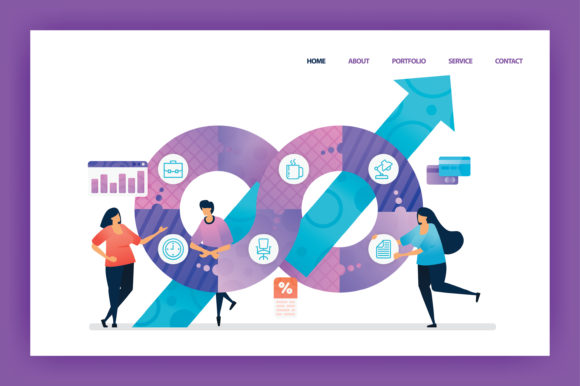
Human illustrations are often used to represent customer personas, team members, or user journeys. For instance, a SaaS company might use a flat vector illustration of a person interacting with a dashboard to explain how their software works.
Additionally, infographics are highly shareable on social media and blogs, making them a powerful tool for content marketing and brand storytelling.
Choosing the Right Format: EPS vs JPEG
When working with human illustrations and infographics, choosing the right file format is crucial. Here’s a quick comparison:
- EPS (Encapsulated PostScript): Ideal for scalable vector graphics. Perfect for logos, illustrations, and print materials where resizing is needed without quality loss.
- JPEG (Joint Photographic Experts Group): Best for web use and images with gradients or complex colors. While not scalable like EPS, it offers good quality at smaller file sizes.
Many designers provide both formats to ensure flexibility across different platforms and use cases.
Common Misconceptions About Infographic Design
Despite their popularity, there are several misconceptions about infographics and human illustrations:
- Infographics are just for data: While data visualization is a key component, infographics can also tell stories, explain processes, or showcase ideas.
- Anyone can make a great infographic: While tools are accessible, effective design requires thoughtful planning and understanding of visual communication principles.
- More visuals mean better engagement: Overloading an infographic with images can distract from the core message. Simplicity and clarity are key.
Conclusion: The Power of Visual Communication
Human illustration and ideas infographic design are more than just aesthetic enhancements—they are essential tools for modern communication. Whether in business, education, or digital marketing, these visuals help break down complex ideas, engage audiences, and support effective storytelling.
By understanding the principles behind these designs and applying them thoughtfully, you can create compelling content that resonates with viewers and delivers your message with clarity and impact. Whether you're designing for a landing page, a classroom poster, or a mobile app, incorporating human illustrations and infographics will elevate your visual communication strategy.