Diagram Infographic PowerPoint Template: A Smart Tool for Clear Presentations
Understanding the Diagram Infographic PowerPoint Template
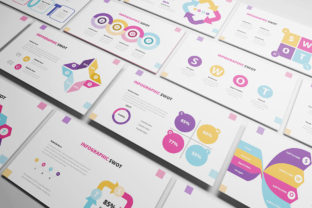
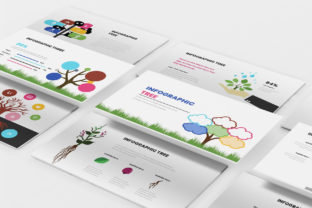
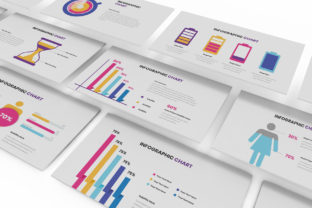
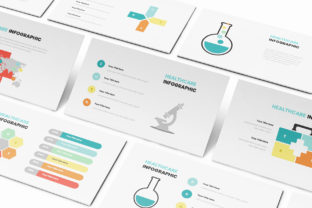
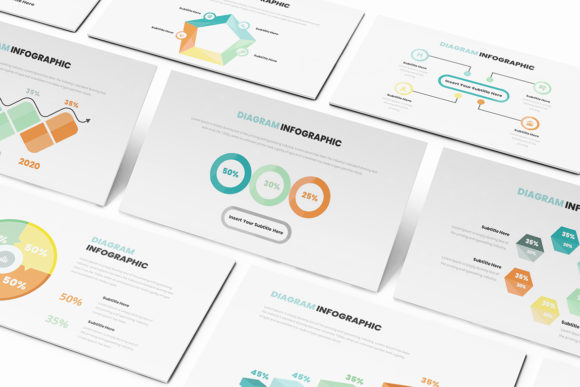
The Diagram Infographic PowerPoint Template is a presentation resource designed to help users visually explain complex ideas using clean, structured layouts. It includes 30 unique slides, each built with a minimalist design that emphasizes clarity and professionalism. Whether you're pitching a marketing strategy, teaching a concept, or sharing data, this template gives you a strong visual foundation without requiring advanced design skills.
Common Mistakes When Choosing or Using This Template
Many users jump into downloading or using presentation templates without considering how well they fit their needs. Here are some of the most common missteps when working with the Diagram Infographic PowerPoint Template:
- Assuming all slides are interchangeable – While the template offers variety, not every slide will suit every message. Some layouts may be better for timelines, others for flowcharts or comparison charts.
- Overlooking file compatibility – The template is designed for PowerPoint, but some users try to open it in other software like Google Slides or Apple Keynote without checking if all features will display correctly.
- Ignoring font and color consistency – Even though the template uses only free fonts, users sometimes replace them with custom fonts that may not display on other devices or during presentations.
- Using animations without purpose – The template includes transitions and animations, but applying them randomly can distract the audience rather than enhance understanding.
- Forgetting to replace placeholder content – Users sometimes copy slides into their presentations but forget to update the sample text or diagrams, leading to confusion or unprofessional results.
How These Mistakes Can Affect Your Presentation
Each of these errors can reduce the impact of your presentation in different ways:
If you use the wrong slide type, your message may become unclear or visually cluttered. Trying to force a circular diagram into a linear process can confuse your audience and weaken your argument. Similarly, using the template on incompatible software might cause formatting issues, making your slides look broken or unpolished.
Font and color mismatches can create visual noise or even make your text hard to read. This not only looks unprofessional but also makes it harder for your audience to follow along. Animations, when overused or misplaced, can shift focus away from your key message and toward the effects themselves.
Finally, leaving placeholder content in your final presentation can make you appear careless or unprepared, especially in front of clients or decision-makers.
How to Avoid These Mistakes
Thankfully, each of these issues is easy to avoid with a little planning and attention to detail:
- Review all slides before use – Take a few minutes to go through each of the 30 included slides and choose only the ones that clearly support your message. Don’t feel obligated to use every slide—only the ones that work best for your content.
- Check file compatibility – If you're not using PowerPoint, test the template in your preferred software first. You may need to adjust fonts or animations to ensure everything displays correctly.
- Stick to the template’s design system – The template uses a consistent color scheme and font set for a reason. Unless you have a specific branding need, it’s best to keep these elements as they are to maintain visual harmony.
- Use animations intentionally – Apply animations only when they help explain a sequence or highlight a key point. A simple fade-in or build effect can often be more effective than flashy transitions.
- Edit all placeholder text and diagrams – Before finalizing your presentation, go through each slide and replace sample content with your actual message. This includes updating diagram labels and ensuring all data points are accurate.
What to Check Before Downloading or Using the Template
Before you commit to using the Diagram Infographic PowerPoint Template, take a moment to verify a few key points:
- Resolution and aspect ratio – The template is built at 1920x1080 resolution, which is standard for most projectors and screens. Make sure this matches your display setup to avoid stretched or cut-off slides.
- License and usage rights – Confirm that the template is free to use or that you have the proper license, especially if you're using it for commercial purposes.
- Image and graphic sources – The template notes that images are not included, so you’ll need to source your own visuals or icons if they aren’t part of the design. Be sure to use royalty-free or properly licensed images.
- Help guide availability – If you're new to using presentation templates, check whether a help guide is included. It can save time and reduce frustration when customizing slides.
Realistic Examples and Better Approaches
Let’s look at a couple of real-life situations where choosing and using the Diagram Infographic PowerPoint Template wisely made a difference:
Example 1: A marketing professional used the template for a client pitch but tried to force a circular flow diagram into a timeline structure. The result was confusing. After switching to a linear diagram slide, the presentation became clearer and more persuasive.
Example 2: An educator downloaded the template and applied it to a lecture, but used multiple font styles and colors not included in the original design. The slides looked cluttered and hard to read. By sticking to the provided color palette and fonts, the presentation became more engaging and easier to follow.
In both cases, taking a step back and aligning with the template’s intended use improved the outcome significantly.
Final Thoughts: Make the Most of Your Presentation Tool
The Diagram Infographic PowerPoint Template is a valuable resource for anyone looking to create polished, professional presentations quickly. It’s designed with simplicity and effectiveness in mind, making it ideal for marketers, educators, entrepreneurs, and more.
By understanding how to use it properly and avoiding common mistakes, you can ensure your presentations communicate clearly and leave a strong impression. Remember, the goal isn’t just to look good—it’s to make your message easy to understand and memorable.
Take the time to explore the template, choose slides wisely, and customize thoughtfully. With just a little attention to detail, you’ll be creating presentations that stand out for all the right reasons.