Education Infographic Google Slides: Choosing and Using the Right Template for Your Presentation
What Is an Education Infographic Google Slides Template?
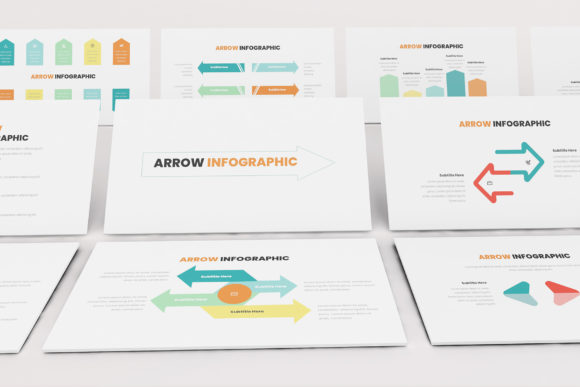
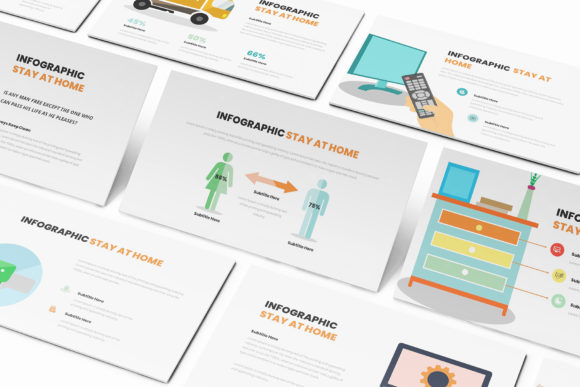
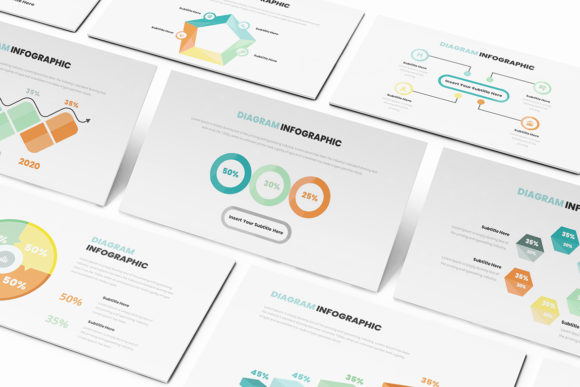
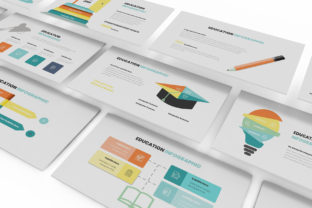
An Education Infographic Google Slides template is a ready-made presentation design that helps educators, marketers, and professionals visually communicate complex information. These templates offer clean layouts, modern design elements, and customizable slides that make it easier to build engaging presentations without starting from scratch.
Whether you're pitching an educational program, explaining learning outcomes, or presenting data to students, these templates provide structure and visual appeal. Many templates come with 30 unique slides, Full HD resolution (1920x1080), and are built using only free fonts, making them accessible and easy to customize.
Common Mistakes When Choosing and Using Education Infographic Templates
While these templates are powerful tools, people often make decisions that reduce their effectiveness. Here are some of the most common issues and how to avoid them:
1. Ignoring the Purpose of the Presentation
One of the most overlooked details is matching the template to the presentation's goal. A template designed for university lectures may not work well for marketing an online course. Using mismatched visuals can confuse your audience and weaken your message.
Better approach: Before selecting a template, define your audience and objective. Are you teaching a concept or trying to convert leads? Choose a design that aligns with your purpose and tone.
2. Overlooking Customization Limits
Some users assume all templates are fully editable, but not all elements may be easy to change. For example, complex vector graphics or embedded animations may be difficult to modify without design experience.
Better approach: Look for templates labeled as “easy to edit” or “drag-and-drop compatible.” Check if the template includes a help guide or support documentation that explains how to adjust elements like color schemes or fonts.
3. Assuming All Free Templates Are Equal
Many people download the first free template they find, only to discover later that it lacks quality or functionality. Some free templates use outdated design trends, low-resolution placeholders, or inconsistent slide structures.
Better approach: Read reviews and preview multiple slides before downloading. Look for templates with high ratings, clear documentation, and consistent formatting across all slides.
4. Using Too Many Animations or Transitions
While animations can add visual interest, overusing them can distract your audience and slow down your presentation. Some templates come with built-in animations that may not suit your style or content.
Better approach: Test the transitions and animations before finalizing your presentation. Disable or simplify effects that don’t enhance your message or flow.
5. Forgetting to Check Image Licensing
Many templates include image placeholders, but those images are often not included in the download. Users sometimes replace them with copyrighted images, which can lead to legal issues.
Better approach: Always replace placeholder images with royalty-free or licensed visuals. Use platforms like Unsplash, Pexels, or Pixabay for safe, high-quality images that align with your topic.
What to Check Before Downloading or Using an Education Infographic Google Slides Template
To ensure you get the most out of your template, consider these key factors before using it:
- Compatibility: Make sure the template is compatible with Google Slides and any other tools you use (like PowerPoint or Canva).
- Resolution: High-definition templates (1920x1080) look better on screens and projectors, especially during live presentations.
- Font Usage: Confirm that the template uses only free fonts to avoid licensing issues or formatting problems when sharing the file.
- Customization Level: Check if you can easily change colors, fonts, and layout structures without breaking the design.
- Support and Documentation: Templates with help guides or FAQs can save time and reduce frustration when you're trying to make adjustments.
How Mistakes Affect Presentation Quality and Communication
Using the wrong template or failing to customize it properly can have real consequences. Poor design choices can:
- Reduce audience engagement
- Make it harder to convey key points
- Damage your professional credibility
- Increase the time needed to complete the presentation
- Lead to confusion or misinterpretation of data
For example, if your template uses a cluttered layout, your audience may miss important statistics or fail to understand the core message of your slide. Similarly, if your template doesn’t scale well to different screen sizes, viewers may struggle to read your content during a live presentation or video call.
Practical Tips for Getting the Most from Your Template
Here are some final suggestions to help you use your Education Infographic Google Slides template more effectively:
- Start with a Content Outline: Organize your message before inserting it into the slides. This makes it easier to choose the right slide types and avoid unnecessary clutter.
- Edit Slide by Slide: Don’t try to customize everything at once. Work through each slide individually to ensure clarity and consistency.
- Use Brand Colors: If you're representing a business or institution, update the template’s color scheme to match your brand guidelines.
- Keep Text Concise: Infographics work best with short, impactful text. Avoid long paragraphs and use bullet points or icons to highlight key ideas.
- Test Before Presenting: Preview your slides on different devices and screen sizes to check readability and visual flow.
Conclusion
The right Education Infographic Google Slides template can save time, improve communication, and elevate your presentation’s visual quality. By avoiding common mistakes and taking the time to evaluate your options, you’ll ensure your message is clear, professional, and engaging.
Remember, a great template is just the beginning. The way you customize and use it will determine its true value. Choose wisely, edit thoughtfully, and always keep your audience in mind.