Work from Home Infographic PowerPoint: Choosing and Using It the Right Way
What Is a Work from Home Infographic PowerPoint?
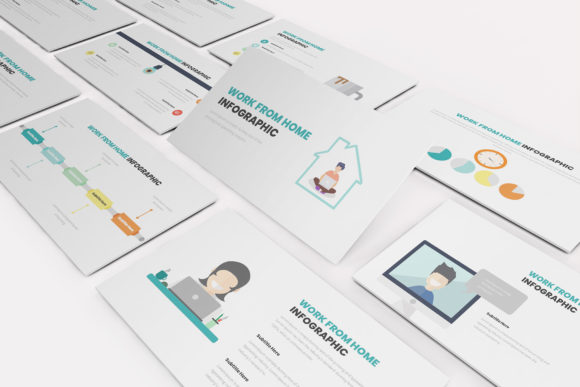
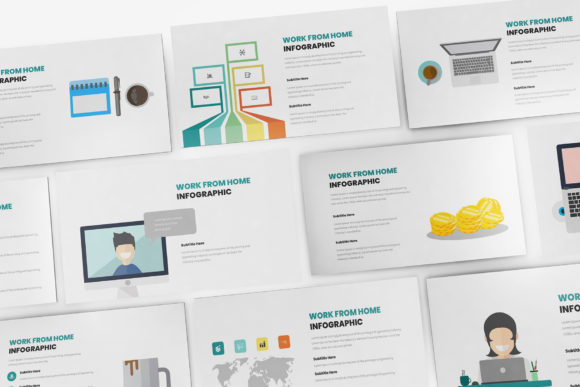
A Work from Home Infographic PowerPoint is a presentation template designed to visually explain remote work trends, benefits, challenges, and strategies. These templates are especially useful for marketing proposals, business reports, or educational presentations related to the shift toward remote and hybrid work environments.
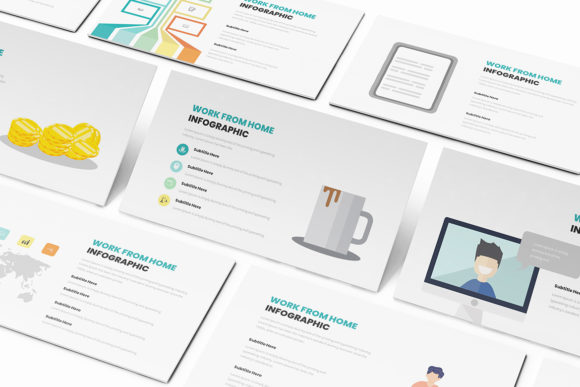
With clean layouts, modern icons, and infographic-ready slides, these templates help users present complex data in a visually digestible format. Whether you're pitching a remote work policy, analyzing productivity trends, or sharing best practices for working from home, this type of template can save time while enhancing your message.
Common Mistakes When Choosing or Using These Templates
While a Work from Home Infographic PowerPoint can be a powerful asset, many users make avoidable mistakes that reduce its effectiveness. Here are some of the most common issues and how to address them:
1. Overlooking Compatibility and Format Details
One frequent oversight is not checking whether the template is compatible with your version of PowerPoint or other presentation software. Some templates are built for newer versions and may not display animations or transitions properly in older software.
Tip: Always verify the file format and software compatibility before downloading or purchasing. Most templates specify if they're compatible with PowerPoint, Google Slides, or Keynote.
2. Ignoring Image and Font Licensing
Many templates include placeholder images and custom fonts that aren't covered by the same license as the template itself. Users sometimes assume all assets are free to use, which can lead to copyright issues when presenting publicly or publishing online.
Better approach: Review the included help guide or license agreement. Replace any images or fonts that aren't properly licensed for your intended use with royalty-free or commercially licensed alternatives.
3. Choosing Style Over Functionality
It's easy to be drawn in by flashy animations or intricate designs. However, overly complex visuals can distract your audience and make your content harder to follow. A clean, minimalist design often communicates ideas more clearly.
Solution: Prioritize templates with a balanced layout that supports your message rather than competing with it. Look for slide variations that allow flexibility in how you present data, such as charts, timelines, and comparison tables.
What to Check Before Using a Work from Home Infographic PowerPoint
Before integrating a template into your project, take a few moments to review these key elements:
- Slide count: Does the template offer enough variety for your presentation? A 30-slide template should include different layouts for titles, data visuals, and summaries.
- Customizability: Can you easily change colors, fonts, and icons to match your brand? A good template allows for customization without breaking the design flow.
- Help documentation: Is there a guide included for editing slides, using animations, or understanding file structure? A helpful guide can save time and reduce frustration.
- Image sources: Are the images placeholders or embedded with proper licenses? If they’re placeholders, you’ll need to replace them with your own or use a stock image service.
How to Avoid Costly Presentation Mistakes
Many users assume that using a template automatically ensures a professional presentation. However, poor implementation can undermine the template's quality. Here are a few real-world examples and better approaches:
Example 1: Cluttered Slides
Mistake: Adding too much text or too many graphics to a single slide because the template allows it.
Better choice: Follow the 6x6 rule—no more than six bullet points per slide and six words per line. Use visuals to reinforce your points, not replace them.
Example 2: Misusing Animations
Mistake: Applying too many animations or transitions, making the presentation feel gimmicky or unprofessional.
Better choice: Use subtle animations to guide the viewer’s attention, like fading in bullet points one at a time or highlighting key data points.
Example 3: Not Tailoring the Template
Mistake: Using the template exactly as downloaded without adjusting colors, fonts, or layout to match brand identity or content tone.
Better choice: Customize the template to align with your brand guidelines. This might include swapping out colors for your brand palette or adjusting fonts for better readability.
Maximizing the Value of Your Work from Home Infographic PowerPoint
When used correctly, a Work from Home Infographic PowerPoint can elevate your presentation and make complex data more engaging. To get the most out of it:
- Review the template’s structure before diving in. Understand what slide types are available and how they can support your content.
- Edit thoughtfully. Don’t just copy-paste your existing content into the slides. Reframe your message to fit the visual format.
- Test your presentation on different screens or devices to ensure clarity and readability.
- Save a backup copy before and after editing in case of formatting issues.
Final Thoughts
A well-designed Work from Home Infographic PowerPoint can streamline your presentation process and help you communicate your ideas more effectively. By avoiding common pitfalls and making smart, intentional choices, you can ensure your presentation looks professional, functions smoothly, and delivers your message with clarity.
Always take time to evaluate the template’s features, compatibility, and customization options before use. With a little planning and attention to detail, you can turn a good template into a great presentation tool.