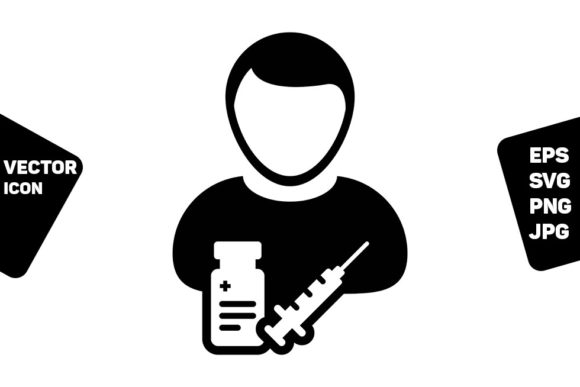
The Role of Patient Icon Vectors with Vaccine Syringes in Modern Healthcare Design
Understanding Patient Icon Vectors with Vaccine Syringes
In today's visually driven world, the use of patient icon vectors with vaccine syringes has become essential in conveying health-related messages clearly and effectively. These icons typically feature a stylized representation of a person—often a male profile—paired with a syringe to symbolize vaccination or medical treatment. Designed in scalable formats like SVG, EPS, PNG, and JPG, these icons are widely used across digital and print platforms to enhance user experience and improve communication in the healthcare sector.
Whether it's for a health awareness campaign, a medical website, or an educational infographic, these icons help bridge the gap between complex medical terminology and public understanding. Their simplicity and clarity make them ideal for UI design, web applications, and printed materials alike.
Why These Icons Matter in Healthcare Communication
Visual communication is key in healthcare, especially when it comes to public health initiatives such as vaccination drives. Icons serve as visual cues that guide users through information quickly and intuitively. A patient icon vector with a vaccine syringe can instantly communicate the idea of immunization, making it easier for audiences to grasp the intended message without needing to read lengthy explanations.
- Accessibility: Visual symbols are universally understood, transcending language barriers and helping reach diverse audiences.
- Efficiency: Icons streamline the design process by reducing the need for text-heavy layouts.
- Consistency: Using standardized icons ensures a cohesive visual language across different platforms and materials.
Common Use Cases for Vaccine-Themed Icons
These icons are not limited to a single application. They are versatile assets that can be used in various contexts, including:
- Healthcare Websites: To indicate vaccination services or patient registration portals.
- Mobile Health Apps: As interactive elements guiding users through immunization schedules or clinic locations.
- Educational Infographics: To visually represent the importance of vaccines in disease prevention.
- Printed Materials: Flyers, posters, and brochures promoting vaccination programs benefit from clear, recognizable imagery.
Available File Formats and Their Benefits
One of the major advantages of using patient icon vectors with vaccine syringes is the variety of file formats available. Each format serves a unique purpose and offers different benefits depending on the use case.
1. PNG (Portable Network Graphics)
PNG files are ideal for digital use, especially on websites and mobile apps. They support transparent backgrounds and high-quality images without loss of clarity. This makes them perfect for overlaying on different backgrounds or integrating into UI elements where visual flexibility is key.
2. SVG (Scalable Vector Graphics)
SVG is a vector-based format that allows icons to scale without losing quality. Whether you're using the icon on a small mobile screen or a large billboard, SVG ensures sharp visuals at any size. It's also compatible with modern web technologies and can be manipulated with CSS or JavaScript for dynamic web design.
3. EPS (Encapsulated PostScript)
EPS files are commonly used in print design. They are compatible with professional design software like Adobe Illustrator and are excellent for high-resolution printing. This format is especially useful for creating posters, brochures, and other printed materials related to public health campaigns.
4. JPG (Joint Photographic Experts Group)
JPG is a widely supported raster format that balances quality and file size. While not as scalable as SVG or EPS, it's still a practical choice for websites and digital platforms where quick loading times are important. It's best used when transparency is not required and compression is acceptable.
Designing with Patient Icons: Best Practices
When incorporating patient icon vectors with vaccine syringes into your design projects, it's important to follow best practices to ensure clarity and effectiveness.
- Keep It Simple: Avoid overcomplicating the icon design. The goal is instant recognition, so simplicity is key.
- Use Consistent Styles: If you're using multiple icons in a project, ensure they share a similar color scheme, stroke width, and overall aesthetic to maintain visual harmony.
- Optimize for Different Sizes: Test the icon at various sizes to make sure it remains legible and recognizable on both small screens and large prints.
- Ensure Accessibility: Consider color contrast and alternative text for screen readers, especially in digital applications.
How to Choose the Right Icon for Your Project
Selecting the right icon involves more than just aesthetics. It's about understanding the message you want to convey and the audience you're trying to reach. Here are a few tips to help you choose:
- Identify the Purpose: Are you promoting vaccination, explaining a medical procedure, or designing a patient portal? The icon should align with the core message.
- Consider the Audience: Will your audience be primarily younger users on a mobile app, or a general population reading a public health flyer? Choose a style that resonates with them.
- Match the Design Language: Ensure the icon complements the rest of your design elements, including fonts, colors, and layout.
Real-World Applications and Examples
Let's look at some real-world examples of how patient icon vectors with vaccine syringes are being used effectively:
- Public Health Campaigns: Government agencies and NGOs often use these icons in posters and banners to promote vaccination drives, especially during flu season or global health crises.
- Medical Websites: Hospitals and clinics use these icons to guide patients through online services such as vaccine registration, appointment booking, and health education resources.
- Mobile Health Apps: Apps that track immunization schedules or provide health tips use these icons as interactive elements to enhance user engagement.
- Educational Materials: Teachers and healthcare professionals use infographics with these icons to explain the science behind vaccines and their importance in disease prevention.
Common Misconceptions About Medical Icons
Despite their widespread use, there are some misconceptions about medical icons that are worth addressing:
- Misconception: Icons are only for decoration. Reality: Icons serve a functional purpose by improving navigation and comprehension.
- Misconception: Any generic medical symbol will work. Reality: Specificity matters. Using the right icon for the right context ensures clarity and avoids confusion.
- Misconception: Icons are only for digital use. Reality: Many icons are equally effective in print, especially when high-quality formats like EPS are used.
Conclusion: The Value of Visual Symbols in Healthcare
In conclusion, patient icon vectors with vaccine syringes play a crucial role in modern healthcare communication. By combining visual clarity with functional design, these icons help bridge the gap between complex medical concepts and public understanding. Available in a range of file formats—including PNG, SVG, EPS, and JPG—they offer flexibility and scalability for use in digital platforms, UI design, infographics, and print projects.
Whether you're a designer, healthcare professional, educator, or business owner, incorporating these icons into your work can enhance user experience, improve accessibility, and ultimately contribute to better health outcomes. As visual communication continues to evolve, these symbols will remain an essential tool in the ongoing effort to educate and inform the public about health and wellness.